
Solar photovoltaic (PV) systems are becoming increasingly popular as a source of renewable energy. However, like any other electrical system, they can experience problems that require troubleshooting. Here are some of the tools that can be used to troubleshoot solar PV systems, along with their estimated costs in USD:
1. Multimeter
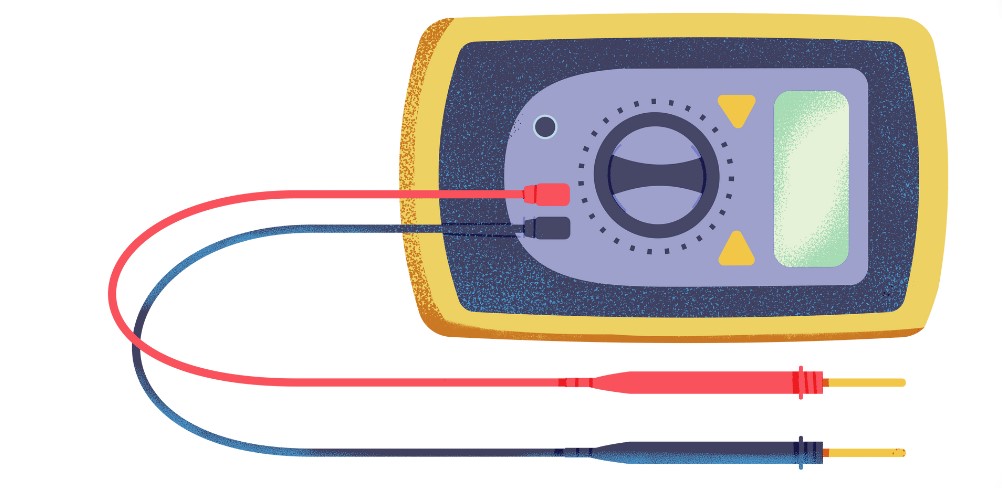
A multimeter is a basic tool that can be used to measure voltage, current, and resistance in a solar PV system. It can be used to check the voltage of the solar panels, the current flowing through the wires, and the resistance of the components. A good quality multimeter can cost anywhere from $20 to $200, depending on the features and accuracy.
2. Clamp Meter
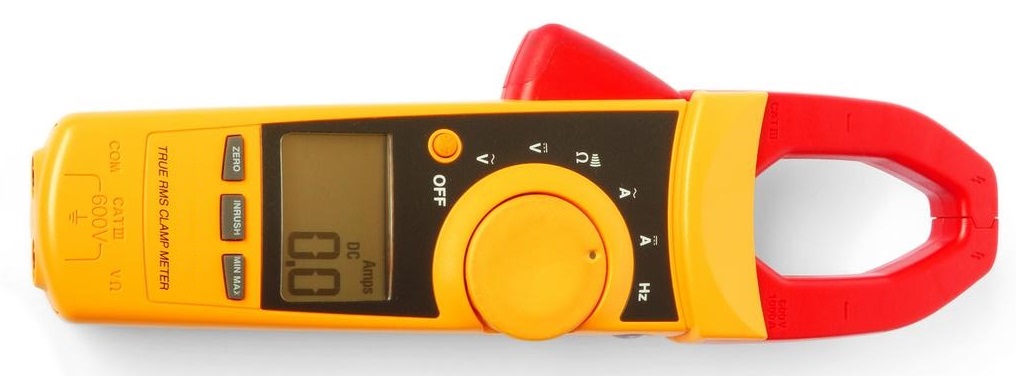
A clamp meter is a more advanced version of a multimeter that can measure current without breaking the circuit. It can be used to measure the current flowing through the wires and components of a solar PV system. A clamp meter can cost anywhere from $50 to $500, depending on the features and accuracy.
3. Infrared Thermometer or Camera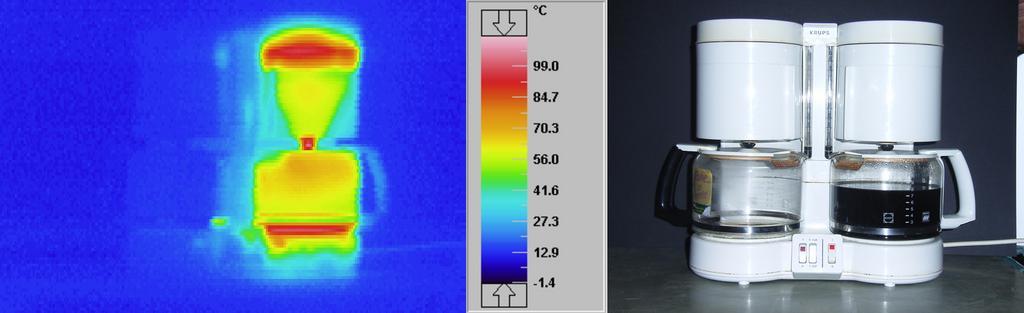
An infrared thermometer can be used to measure the temperature of the solar panels, wires, and components of a solar PV system. It can help identify hot spots or areas where there may be a problem. An infrared thermometer can cost anywhere from $20 to $2,000, depending on the features and accuracy. The latest infrared camera comes with a USB-C interface to connect to a mobile phone and together, them become an infra-red camera. Priced around 200 to 400, this provides a more visual means to identify hotspots from cables to cells within the module.
4. Solar PV Design Software
Solar PV design software can be used to simulate the performance of a solar PV system and identify potential problems. It can help optimize the design of the system and ensure that it is working efficiently. Some popular solar PV design software tools include Bluesol PV, PVsyst, and Homer. The cost of solar PV design software can vary widely, from free web-based tools to native software on Windows or Mac that can cost several thousand dollars.
5. Field Guide for Testing Existing Photovoltaic Systems for Ground Faults and Installing Equipment to Mitigate Fire Hazards
The Field Guide for Testing Existing Photovoltaic Systems for Ground Faults and Installing Equipment to Mitigate Fire Hazards is a report that provides field procedures for testing PV arrays for ground faults and for implementing high-resolution ground fault and arc fault detectors in existing PV systems. It can help identify potential safety hazards and ensure that the system is working properly. The report is available for free download from the National Renewable Energy Laboratory (NREL) website.
6. PVBuddy string and module test kit
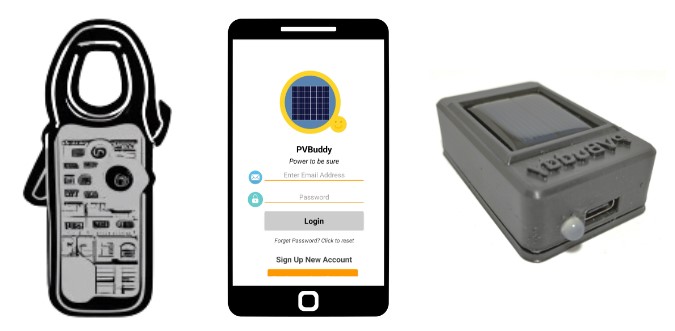
PVBuddy provides comparative field testing using an irradiance reference established for the PV system being assessed. Rather than requiring the user to treat PVS01 as a laboratory-calibrated irradiance meter, the sensor can be tuned against the inverter kWh reading of a representative string or strings with the same orientation. Subsequent measurements can then be compared to the established reference to identify changes or deviations.
It can help you identify potential problems and ensure that each string is working efficiently. It can even test standalone module at site. The kit includes an Irradiance sensor, a DC clamp meter and a mobile app. Priced affordably, you can purchase the PVBuddy test kit on their website pvbuddy.com. With this test kit, you can maximize the benefits of your solar PV system and enjoy clean, renewable energy.
Other notable tools such as Curve tracers or Sun
simulators provide very detailed analysis of the string or module. These
require proper safety training and elaborate procedures to perform isolated shutdown, connection
to test and vice-versa. They usually price from $10,000 and are usually
confined to engineering professionals. A cheaper Solar panel tester can cost anywhere from $50 to $500 but performs on panel or module level only.
In conclusion, solar PV systems can experience problems that require troubleshooting, and there are several tools available to help identify and fix these problems. The cost of these tools can vary widely, from basic multimeters that cost $20 to advanced solar PV design software that can cost several thousand dollars. It is important to choose the right tool for the job and to ensure that it is used properly to avoid further problems.
Written by Ken
Contact us via our feedback form or email directly to info@pvbuddy.com